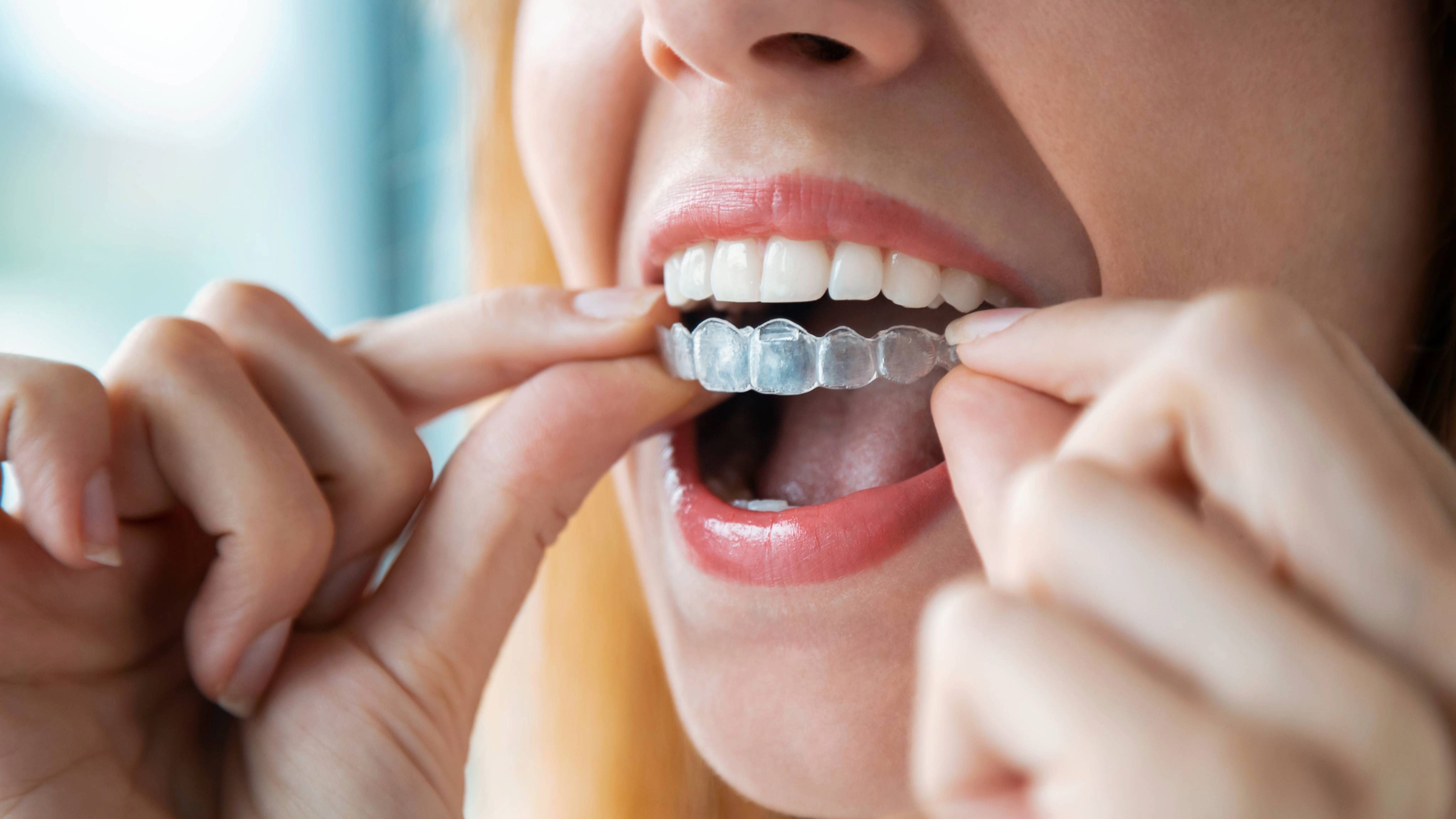

Losing a tooth can change more than your smile. It can also change the way you chew, speak, and even how you feel about yourself when you look in the mirror. Additionally, most people who have lost a tooth will notice their other teeth shifting or their jaw feeling different over time due to bone loss from missing teeth.
For the nearly 178 million people in the United States who are missing at least one natural tooth, these changes can be frustrating and worrisome. Yet many people don’t realize that there is a safe, natural-looking, and long-lasting tooth replacement treatment that can solve all these problems and save their jawbone from deteriorating.
Dental implants offer a long-term solution for replacing missing teeth by acting like a new root and supporting a natural-looking dental crown. Read on to see how the best dentists in Leander can help you determine if dental implants are right for you, and what you expect from costs to aftercare.
What Are Dental Implants?
A dental implant works like a tooth root, acting as a sturdy anchor for a new tooth. The implant itself is a small titanium post that is implanted in the jawbone where the missing tooth’s root used to be. After healing, a connecting piece called an abutment is attached to the implant and holds the visible dental crown in place.
Over time, the jawbone grows around the post in a process called osseointegration, which creates a steady foundation that doesn’t shift when you talk or bite into something firm. Dental implants can replace a single tooth, support a bridge, or secure a full arch of replacement teeth for people who want to avoid traditional dentures and prefer a more stable, permanent solution.
Who is a Good Candidate for Dental Implants?
A good candidate for dental implants is a healthy adult with sufficient healthy jawbone to support the implant. Some people assume implants are only for younger adults, but older patients often do well with dental implants and like them much better than dentures or dental bridges. What matters most for qualifying for dental implants is the condition of your jawbone and gums. If you’ve had a missing tooth for a long time, you may need a bone graft to build up areas where your jawbone has deteriorated. Additionally, if you have gum disease or even gingivitis, you’ll need gum treatment before moving forward.
Benefits of Dental Implants vs. Other Restorative Dental Treatment Options
Most people choose dental implants because they feel closest to having their own teeth again, both in how they look and how they handle the simple moments of daily life, like biting into an apple or speaking without worrying about dentures shifting. Unlike a dental bridge, which relies on reshaping nearby teeth for support, an implant stands on its own and helps preserve jawbone density so it doesn’t thin over time.
Our patients also notice that chewing feels steadier, and a sense of relief when they no longer have to adjust a denture or think about a gap showing in photos. Implants are also known for lasting several years with regular dental care. This dependability is not a benefit you can get with dentures or dental bridges.
What to Expect When Getting Dental Implants
The process of getting dental implants starts with a simple consultation where you and your dentist look over dental X-rays together and talk through your goals. If a damaged or decayed tooth needs to come out, a tooth extraction is scheduled, followed by a short recovery before moving to the next step.
The placement of the dental implant is relatively quick. You’ll be fully numb, and dental sedation can also be used if you’re feeling a bit nervous or having several implants placed. Over the next few months, the jawbone slowly grows around the implant. During this time, you’ll have a temporary crown so that you can eat, speak, and smile as normal. Your permanent crown will be placed in about three to six months, after healing is complete.
Recovery usually includes mild soreness that responds well to over-the-counter medication and slight swelling that responds well to a cold compress.
How Much Do Dental Implants Cost?
The cost of dental implants depends on where you live, how many teeth you want to replace, and whether you need additional steps, such as a bone graft or gum disease treatment. Dental insurance may cover some costs, such as a tooth extraction, but it may not cover the entire cost of treatment. Financial tools like CareCredit, FSA and HSA accounts, or monthly payment plans with your dentist can help make the costs more manageable.
How to Care for Your Dental Implants
Caring for dental implants is very similar to caring for natural teeth:
- Daily brushing and flossing are essential to prevent plaque and tartar from forming around the gumline
- Regular dental check-ups give your dentist a chance to catch small changes before they turn into bigger issues
- Avoiding smoking can support the long-term stability of the implant and lower the risk of gum disease
Discover the Best Dentist in Leander for Dental Implants and Family Dentistry
A missing tooth can change the way you eat, speak, and even how you feel walking into a room, which is why so many people turn to us for the best dental implants in Leander. At our state-of-the-art dental clinic, our team takes time to understand your complete oral health history and your smile goals. We also use a personalized, step-by-step approach that helps patients stay informed and comfortable throughout the process.
Ready to get personalized restorative dental care with help from the best dentists in Leander?



.avif)