
A missing or severely damaged tooth changes how you chew, how you speak, and how comfortable you are in social situations. While dental crowns offer a good fix for some cases, dental implants are the best way to fill a gap with a permanent, natural-looking tooth replacement.
Over 3 million people in the United States already have dental implants, with another 500,000 added every year. Even with that kind of popularity, the decision to get a dental implant can be overwhelming. Most people have concerns about how bad it will hurt, how long the recovery will be, and whether an implant will actually last as long as they need it to.
Continue reading to get answers to these and more questions, including where to find a dentist who's known for the best dental implants in Leander.
How Do Dental Implants Work?
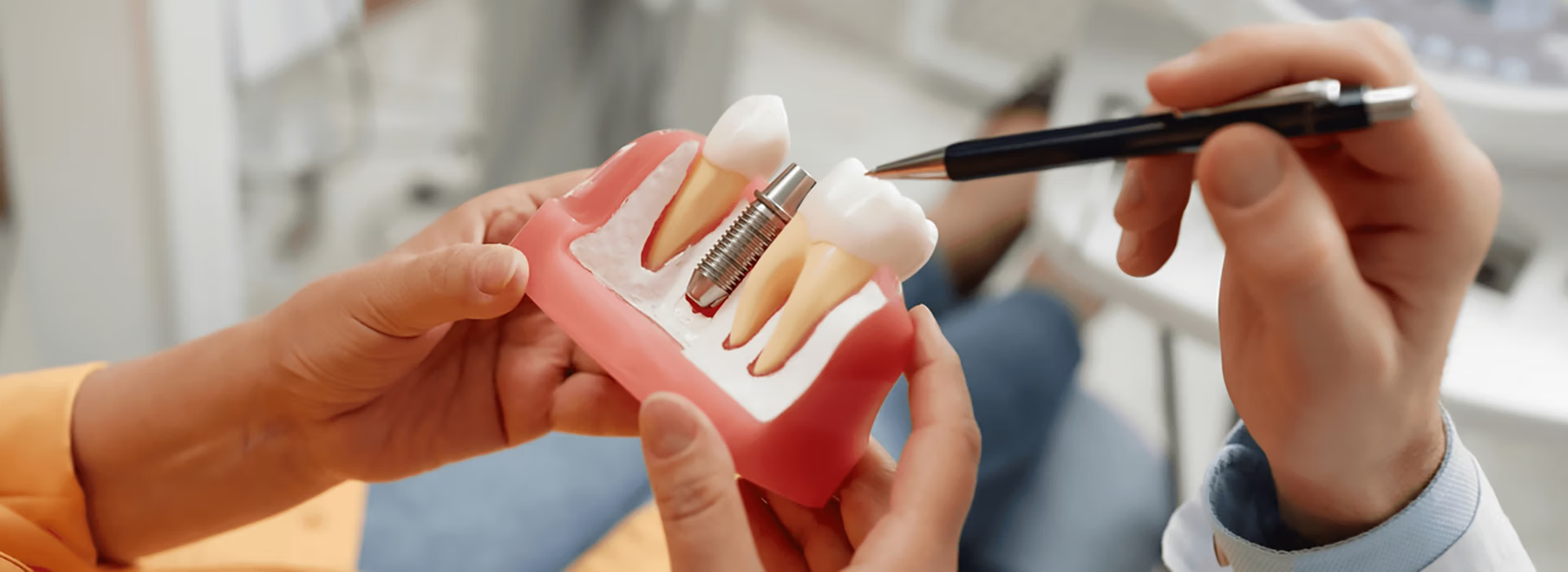
A dental implant is a replacement tooth built in three parts:
- The first part is a small titanium post that is surgically placed into your jawbone where the root of your missing tooth used to sit. Over a few months, the bone grows around the post and locks it in place, a process called osseointegration.
- The second part is a connector piece, called an abutment, which is attached to the top of the post.
- The third part is the visible tooth, a porcelain dental crown, that’s fitted onto the abutment.
Depending on how many teeth you've lost, you might get a single implant, two or more implants supporting a bridge, or a full-arch option like all-on-4 dental implants, where four implants hold an entire row of teeth in place.
Are Dental Implants the Same as Dentures?
Dentures sit on top of your gums and can be removed for cleaning and adjustments. Dental implants are different because they are surgically attached to your jawbone, and keep stimulating the jawbone the way a real tooth root would. This is why they are considered the closest thing to a natural tooth.
Does Getting Dental Implants Hurt?
Most patients instantly think of pain when they realize oral surgery is necessary for dental implants. But thanks to modern techniques and dental sedation, this process is much more comfortable than most realize. To start, the best dentist in Leander will numb the area with local anesthesia, and if you're anxious or getting more than one implant, options like nitrous oxide or IV sedation are offered.
During the procedure, you might feel some pressure and hear drilling sounds, but you should not feel any sharp pain. After the numbing wears off, most people feel soreness for a few days. Swelling is also common and reaches its peak 48 to 72 hours after surgery before it starts to fade. Over-the-counter ibuprofen and Tylenol are great options for most people, and ice packs can also help. By day four or five, most patients are back to their normal routines.
The Dental Implant Recovery and Healing Timeline
Healing from implant surgery is also easier than most people think.
- The first 24 to 48 hours are when you’ll experience the most swelling and tenderness, so plan to take it easy, stick to soft foods like yogurt, eggs, and mashed potatoes, and skip the gym for a few days.
- Light bleeding or pink-tinged saliva is common for the first 24 to 48 hours.
- By the end of the first week, surface discomfort fades and you can ease back into firmer foods, though chewing directly on the implant site is still off-limits.
The average healing timeline for dental implant recovery is three to six months, as the titanium post slowly fuses with your jawbone. You won't feel that happening, but it's what gives the implant its strength.
Once your dentist confirms the post is fully integrated through a dental X-ray and a stability check, your permanent dental crown is placed. Two habits matter most during this stretch:
- Keeping the site clean with the gentle saltwater rinses your dentist recommends
- Staying away from cigarettes and straws, both of which can disturb healing
Who is a Good Candidate for Dental Implants?
Most healthy adults with one or more missing teeth qualify for getting dental implants, but just to be sure, your dentist will look at a few things during the consultation:
- Jawbone density: Your jawbone needs enough strength and volume to hold the implant steady. This is measured with a 3D dental scan or panoramic dental X-ray. If the bone has shrunk because the tooth has been missing for a while, a bone graft can usually rebuild the area before placement.
- Healthy gums: Your gums need to be free of active gum disease, since an infection around the implant site can stop the bone from fusing properly.
- Health: Your overall health can affect your recovery, so conditions like diabetes, osteoporosis, and heart disease need to be evaluated and be well-controlled before surgery.
- Smoking history: Smoking is the biggest lifestyle factor working against you because it limits blood flow to the gums and raises the chance of implant failure. If you’re a smoker, quitting before getting dental implants is the best thing you can do for your implants and health.
How Long Do Dental Implants Last?
The implant post itself is remarkably durable and often lasts 25 to 30 years or longer, with many people keeping theirs for life. The implant crown usually needs replacement or repair every 10 to 15 years because normal chewing causes wear and tear. Dental implants have a success rate of over 95% after 10 years when patients take care of them well. Daily care includes:
- Brushing twice a day with a soft-bristled toothbrush
- Cleaning around the implant daily with floss or a water flosser
- Using a non-abrasive toothpaste so you don't scratch the crown
- Keeping up with regular dental checkups every six months to catch the early signs of gum disease or peri-implantitis, an infection that inflames the gums around the implant and can eat away at the supporting bone if it spreads
Additionally, if you grind your teeth at night, a custom nightguard is necessary to protect the crown from cracking and shields the post from constant pressure.
Where to Find the Best Dentist in Leander for Dental Implants
Because dental implants become a permanent part of your mouth, it’s important to choose a dentist with a great deal of experience and knowledge about implant dentistry. For patients across Leander and beyond, Green Dentistry of Leander is the clear choice.
Led by Dr. Min, Dr. Son, and Dr. Myers, the expert team at our state-of-the-art office offers modern dental technology like 3D cone beam CTs and digital dental impressions, which ensures precision placement of your implant, leading to a natural-looking final restoration.
Ready to restore your smile with the best dental implants in Leander?



.avif)